
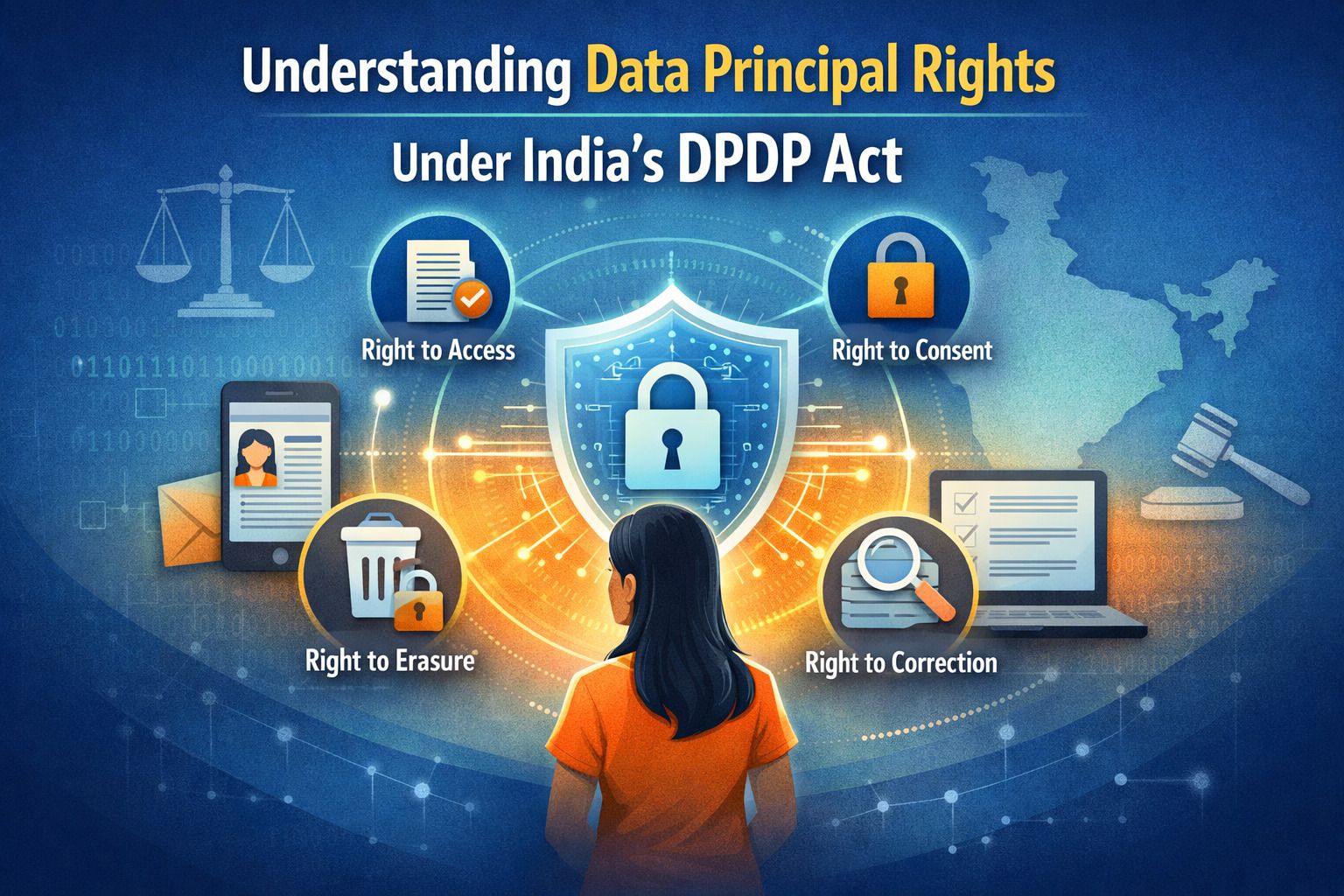
Enterprises in India and the US now operate in an environment where data privacy expectations rise faster than regulatory timelines. The Data Protection Act imposes clear obligations on organisations regarding the handling of personal data. At the same time, it gives individuals, also referred to as Data Principals, autonomy over their personal data. For CISOs and IT leaders, there is an increasing need to align data protection compliance requirements with robust data management processes, particularly as the modernisation of enterprise cybersecurity stacks increasingly emphasises this alignment.
As businesses upgrade their cybersecurity infrastructure, they should leverage the resources provided by Seqrite, a subsidiary of Quick Heal Technologies Limited, to develop the processes necessary to operationalise data privacy/protection across their enterprises in both India and the U.S.
Who Is a Data Principal?
A Data Principal refers to the person whose personal information is being processed (as per the provisions of the DPDP Act) and would include:
• An individual providing the data, which could be either a natural person or a legal entity (corporation or other entity).
• Parents or legal guardians acting on behalf of their minor children when providing this information.
The DPDP Act defines Data Principals as individuals at the heart of the privacy governance framework.
Data Principal Rights Under The DPDP Act:
The DPDP Act grants Data Principals various enforceable rights against organisations that process their Personal Information, namely:
• Right to access: The right to request and be provided with (free of charge) information held about them and how the organisation is using that information;
• Right to correct and delete: The right to request correction or deletion of any inaccurate or unnecessary Data of the individual who is the subject of that Data;
• Right to manage consent: Data Principals have the right to give, withdraw or review their consent regarding the processing of their personal information;
• Right to grievance redressal: If there is no resolution of their complaint by the controller, Data Principals may escalate the complaint to the data protection board.
Obligations Of Businesses Under The DPDP Act
Businesses need to:
- Use transparent processes for managing data.
- Keep data safe by implementing strong security measures, including ZTNA, EDR, and XDR.
- Create a record of consent.
- Notifying users of data breaches.
- Providing easy ways to complain about how businesses are managing their data.
The Importance Of Data Principal Rights Management
By ensuring that you respect data principals’ rights, you build trust and reduce your organisation's liability, thereby increasing your reputation in markets sensitive to data, such as India and the United States.
Final Thoughts
Companies should not simply add data principals’ rights to their security or compliance processes; they should integrate data principals into their governance, security, and compliance frameworks. Seqrite’s solutions help businesses implement security plans that protect information across the organisation and demonstrate compliance effectively.
Are you ready to take your data protection strategies to the next level? Explore Seqrite’s enterprise security portfolio today.